Thursday, May 19, 2016

Problem Study (Binomial Theorem)


1.   Given that (p - 1 2 x)6 = r - 96x + sx2 + ... , find p, r, s.

     Solution

      (p - 1 2 x)6 = r - 96x + sx2 + ...

      Using binomial expansion,

      6C0 p6 + 6C1 p5 (- 1 2 x) + 6C2 p4 (- 1 2 x)2 + ... = r - 96x + sx2 + ...
     
        p6 + 6 p5 (- 1 2 x) + 15 p4 (- 1 2 x)2 + ... = r - 96x + sx2 + ...

      p6 - 3 p5 x 15 4 p4 x2 + ... = r - 96x + sx2 + ...

      3p5 = 96

          p = 2

      r = p6 = 64

      s = 15 4 p4 = 15 4 (2)4 = 15 4 (16) = 60.

2The first three terms in the expansion of (a + b)n in  
      ascending powers of b are denoted by p, q and r 
      respectively. Show that  q 2 p r = 2 n n 1 . Given that  
      p = 4, q = 32 and r = 96, evaluate n.

      Solution

      (a + b)n  = p + q + r + ...

        nC0 an + nC1 an-1 b + nC2 an-2 b2 + ... = p + q + r + ...

      an + n an-1 + n ( n 1 ) 2 an-2 b2 + ... = p + q + r + ...

     = an 

        q  = n an-1

           r  n ( n 1 ) 2 a n 2 b 2  

     ∴ q 2 p r = ( n a n 1 ) 2 a n n ( n 1 ) 2 a n 2 b 2  

                 = 2 n 2 a 2 n 2 b 2 n ( n 1 ) a 2 n 2 b 2  

                = 2 n n 1      

         When p = 4, q = 32 and r = 96, 

          2 n n 1 = 32 × 32 4 × 96

          2 n n 1 = 8 3

          8n - 8 = 6n

         2n = 8

         n = 4

  3.     Using binomial theorem, find the coefficient of x2 
          in the expansion of (3 + x - 2x2)5.

          Solution 

             [3 + (x - 2x2)]5

            = 35 + 5 (34) (x - 2x2) + 10 (33) (x - 2x2)2 + ... 

         = 35 + 405(x - 2x2) + 270 (x2 - 4x3 + 4x4) + ... 

        The coefficient of x2 in the expansion of (3 + x - 2x2)5  

            = 405 (-2) + 270 

            = - 540

4.     Find the coefficient of x4 in the expansion of 

        (x2 - 5x + 12) ( x 2 x ) 6 .

        Solution 

          (x2 - 5x + 12) ( x 2 x ) 6  

       = (x2 - 5x + 12) ( x 6 6 x 5 ( 2 x ) + 15 x 4 ( 4 x 2 ) + . . .

       = (x2 - 5x + 12) (x6 - 12x4  + 60x2 + . . . )

      The coefficient of x4 = 1(60) + 12 (-12) = - 84 

5.    In the expansion of (1 + x)(a - bx)12, the coefficient of
       x8 is zero. Find the value of the ratio a : b.

       Solution

         (1 + x)(a - bx)12 
      = (1 + x)(- bx + a)12
 
      = (1 + x) (12C0 (-bx)12 + 12C1  (-bx)11a +12C2 (-bx)10a2 + 12C3 (-bx)10a3

                           + 12C4 (-bx)9a4 + 12C5 (-bx)8a5+ 12C6 (-bx)7a6 + ...) 
  
     ∴ The coefficient of x8 = 12C5 b8a512C6 b7a6

     By the problem,

     12C5 b8a5 - 12C6 b7a6 = 0 

    12C5 b8a5 = 12C6 b7a6

     12C5 b = 12C6 a  
      
    ∴ a b = 12 C 5 12 C 6  
            = 12 C 5 12 C 5 7 6  
            = 6 7
Problems Supported by : Sayar Tun Tun Aung

Wednesday, May 18, 2016

Problem Study (Arithmetic Progression)


1.    The Length of a perimeter of a hexagon is 36cm. The lengths the sides of the
       hexagon are in arithmetic progression and the length of the longest side is five times
       the length of the shortest side. Find the length of each side.

      Solution 

       Let the length of the sides of the hexagon in ascending order be u1, u2, u3, u4,
       u5 and u6.
       By the problem u1, u2, u3, u4, u5, u6 is an A.P.
       Let u1 = a,
             u2 = a + d
             u3 = a + 2d
             u4 = a + 3d
             u5 = a + 4d
             u6 = a + 5d
      Perimeter of the hexagon = 36 (given)
      Hence, 6a + 15d = 36
                 2a + 5d = 12 ............ (1)
      length of longest side = 5 ( length of shortest side)
      u6 = 5u1
         a + 5d = 5a
           4a - 5d = 0 .............(2)
      Solving equation (1) and (2), a = 2 and d = 8 5  = 1.6
      u1 = a = 2 cm
      u2 = a + d = 3.6 cm
      u3 = a + 2d = 5.2 cm
      u4 = a + 3d = 6.8 cm
      u5 = a + 4d = 8.4 cm
      u6 = a + 5d = 10 cm

2.   The sum of n terms of an arithmetic progression is given by the formula Sn = 2n2 + n.
      Find (a) the first term, (b) the common difference and (c) the tenth term.

     Solution 

      Sn = 2n2 + n
      u1 = S1 = 2(1)2 + (1) = 3
       the first term = a = 3
      u1 + u2 = S2 = 2(2)2 + (2) = 10
      u2 = S2 - S1 = 7
      the common difference = d = u2 - u1 = 4
      un = a + (n - 1)d
      u10 = a + 9d= 3 + 9(4) = 39

3.   During 1996 a company increased its sales of television sets at a constant rate of 200
      sets per month. Thus the number of television sets sold in February was 200 more
      than in January, the number of television sets sold in March was 200 more than in
      February and this pattern continued month by month throughout the year. Given that
      the company sold 38, 400 television sets in 1996, calculate the number of television
      sets sold in (i) January,  (ii) December.

     Solution

      Let the number of television sets sold in January = a
      and those sold in December = u12.       
      ∴ d = 200, n = 12 and S12 = 38, 400
      S n 2   { 2a + (n - 1) d } 
      S12 = 38, 400
      ∴  12 2  (2a + 11 × 200) = 38,400 
      2a + 2,200  = 6,400
      a  =2100
      u= a + (n - 1)d 
      u12  = a + 11d = 2,100 + 11 (200) = 4,300
      Therefore there were 2,100 television sets sold in January and 4,300 sets in December.

4.   Find the sum of all numbers between 200 and 1,000 which are exactly divisible by 15.

     Solution

      All numbers between 200 and 1,000 which are exactly divisible by 15 are
      210, 225, 240, ... , 990.
      Here the terms are in an A.P., with a = 210, d = 15 and l = u= 990.
      Since  u= a + (n - 1)d,  
      a + (n - 1)d = 990
      210 + (n - 1)(15) = 990
      n = 53 
      S= n 2 (a + l)
      S53  53 2  (210 + 990) = 31,800

Credit : Problems Supported by : Sayar Idea Zaw
     

Monday, May 16, 2016

Problem Study (Polynomial)

    When a polynomial f(x) is divided by (x - 1) and (x + 5),
    the remainders are -6 and 6 respectively. Let r(x be the
    remainder when f(x) is divided by x2 + 4x - 5. Find the  
    value of r(-2).   

Solution 

    By the problem,
    f(x) = p(x) (x - 1) - 6 ............(1)
    f(x) = q(x) (x + 5) + 6 ............(2)
    f(x) = Q(x) (x2 + 4x - 5) + r(x) ............(3) 
    (1) × (x + 5) ⇒ (x + 5) f(x) = p(x) (x - 1) (x + 5) - 6x - 30   
    (2) × (x - 1)  ⇒  (x - 1) f(x) = q(x) (x - 1) (x + 5) + 6x - 6 
    Subtracting the two equations,
    6 f(x) = [p(x) - q(x)] (x - 1) (x + 5) - 12x - 24
    Hence ,
    f(x) =  p ( x ) - q ( x ) 6 (x - 1) (x + 5) - 2x - 4 -------(4)
    Comparing equations (3) and (4), we have
    r(x) = - 2x - 4
    Therefore, r (-2) = -2 (-2) - 4 = 0.

    Credit : Sayar U Pyi Kyaw

Monday, March 21, 2016

Polynomial (Part 2)

လက္ေတြဘ၀တြင္ အသံုး၀င္ေသာ Polynomial


Polynomial တစ္ခု ကို ေယ်ဘုယ် …

anx n +an – 1x n – 1 + … + a1x + a0  ေဖၚျပႏိုင္ေၾကာင္း ေျပာခ့ဲၿပီးပါၿပီ။

ဒီေနရာမွာ an , an – 1, … , a1 , a0 , တို႔ဟာ coefficients (ေျမႇာက္ေဖာ္ကိန္း) ေတြ ျဖစ္ၾကပါတယ္။ x ဆိုတာကေတာ့ variable (ကိန္းရွင္) ျဖစ္ၿပီးေတာ့ set of real numbers (ကိန္းစစ္ အစု) ထဲက မည္သည့္ real number မဆို ျဖစ္ႏိုင္ပါတယ္။ ဒါ့ေၾကာင့္ polynomial ဆိုတာ ကိန္းစစ္အစု ႏွစ္ခုၾကား ဆက္သြယ္ထားတဲ့ function တစ္ခုလို႔လဲ ေျပာလို႔ရပါတယ္။
f : R ----> R, f (x ) = anx n +an – 1x n – 1 + … + a1x + a0  လို႔ ေျပာႏိုင္တာေပါ့။ 

Polynomial ေတြ လက္ေတြ႕ေလာကမွာ သံုးလို႔ရလား၊ ဘယ္ေနရာေတြမွာ သံုးလဲ


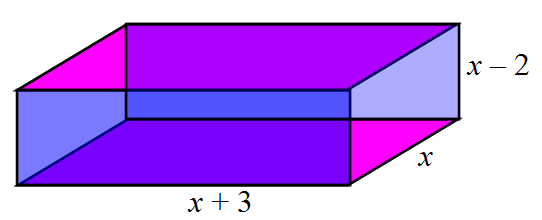
ဆိုၾကပါဆို႔ ေသတၱာတစ္လံုးကို အနံ x cm ထားမယ္။ အလ်ားက အနံထက္ 3 cm ပိုၿပီး၊ အျမင့္က အနံေအာက္္ 2cm ေလ်ာ့မယ္ဆိုရင္…


အလ်ား = (x + 3) cm
အနံ = x  cm
အျမင့္ = (x – 2) cm ျဖစ္ပါမယ္။ ဒါဆိုရင္ …
ထုထည္ = အလ်ား × အနံ × အျမင့္ = (x + 3) x  (x – 2) = x 3 + x 2 – 6x  ဆိုၿပီး အနံတန္ဖိုး သိ႐ံုနဲ႔ ထုထည္ကို ရွာႏိုင္တဲ့ ပံုေသနည္း တစ္ခု ရၿပီေပါ့။ ၎ပံုေသနည္းဟာ polynomial တစ္ခု ျဖစ္တယ္ ဆိုတာ သိေလာက္ပါၿပီ။

အိုလံပစ္ အားကစားမွာ ပါ၀င္တဲ့ သံလံုးပစ္၊ လွံတံပစ္ အားကစားကို အားလံုးသိၿပီးသား ျဖစ္မွာပါ။ ပစ္လိုက္တဲ့ သံလံုး၊လွံတံေတြဟာ parabolic carve (ပါရာဗိုလာ မ်ဥ္းေကြး) အတိုင္း ေ႐ြ႕လ်ားသြားပါတယ္။ အားကစားသမားရဲ့ လက္ထဲမွာ ရွိေနစဥ္ သံလံုးဟာ ေျမျပင္အထက္ တစ္ေနရာ(s0) ႐ွိေနၿပီး စပစ္လိုက္တဲ့ အခ်ိန္မွာေတာ့ အလ်င္တစ္ခု (v0) ရ႐ွိသြားပါတယ္။ ေရြ႕လ်ားေနစဥ္ အခ်ိန္အတြင္းမွာ သံလံုးဟာ ကမာၻေျမ ဆြဲ႐ွိန္(g) ေၾကာင့္ တစ္သမတ္အျမင့္နဲ႔ ေ႐ြ႕လ်ားေနတာ မဟုတ္ပါဘူး။ ပစ္လိုက္တဲ့ အားတစ္ခုေၾကာင့္ ျမင့္တက္သြားၿပီး အျမင့္ဆံုးေနရာ ေရာက္တဲ့အခ်ိန္မွာ ကမာၻေျမ ဆြဲအားေၾကာင့္ ျပန္က်လာမွာ ျဖစ္ပါတယ္။ ဒီအခါမွာ သံလံုးေ႐ြ႕လ်ားေနစဥ္ ဘယ္အခ်ိန္ (t) မွာ ဘယ္ေလာက္ အျမင့္မွာ ရွိေနမလဲဆိုတာကို ပံုေသနည္း (formula) ထုတ္ၿပီး တြက္ယူႏိုင္ပါတယ္။ 

s0 = အားကစားသမား၏ အရပ္
v0 = သံလံုး၏ မူလ အလ်င္
g = ကမာၻေျမ ဆြဲရွိန္
t = အျမင့္ေနရာ တစ္ခုသို႔ သံလံုးေရာက္ရွိခ်ိန္ 
s = t အခ်ိန္တြင္ သံလံုးေရာက္ရွိေနသာ အျမင့္


s0, v0, g, t ဆိုသည့္ အခ်က္ အလက္မ်ားကို သိရွိပါက t အခ်ိန္တြင္ သံလံုးေရာက္ရွိေနသာ အျမင့္ကို ေအာက္ပါအတိုင္း တြက္ယူႏိုင္ပါသည္။


၎ပံုေသနည္းမွာ s ဆိုတာ t နဲ႔ တည္ေဆာက္ထားေသာ polynomial function တစ္ခု ျဖစ္တယ္ဆိုတာ သိေလာက္ၿပီလို႔ ယူဆပါတယ္။

Polynomial (Part -1)

Polynomial ဆိုတာ ကိန္းရွင္တစ္ခုရဲ့ အျပည့္ကိန္း ထပ္ကိန္းမ်ားသာ ပါ၀င္တဲ့ ကိန္းတန္းတစ္ခုေပါ့၊ ကိန္းလံုး တစ္ခုခ်င္းစီကို အေပါင္းအႏႈတ္ လကၡဏာေတြနဲ႔ ခ်ိတ္ဆက္ထားပါတယ္။ အဲဒီကိန္း တစ္ခုခ်င္းစီကို term လို႔ ေခၚပါတယ္။ Poly ဆိုတာ many လို႔ အဓိပၸာယ္ရၿပီး nomial ဆိုတာ terms လို႔ အဓိပၸါယ္ရပါတယ္။ ဒါ့ေၾကာင့္ လံုးေကာက္တိုက္႐ိုက္ ဘာသာျပန္လိုက္ရင္ polynomial ဆိုတာ many terms ေပါ့။
  •  2x5 – 5x3 – 10x + 9

  • 5x3 + 3x – 1

  • ax2 + bx +c 

  • 2x

  • 3

စတာေတြကို polynomial လို႔ ေခၚပါတယ္။ ဟာ ( 3x0 ျဖစ္လို႔ polynomial အျဖစ္ သတ္မွတ္ ႏိုင္ပါတယ္)

 $ \displaystyle 4x^2+3x-7$ 

 အထက္က ကိန္းတန္းကို ၾကည့္မယ္ဆိုရင္ ထပ္ကိန္းေတြ အဆင့္ဆင့္ေျပာင္းသြားတဲ့ $ \displaystyle x$  ကို ကိန္းရွင္ (variable ) လို႔ ေခၚပါတယ္။ variable ေရွ႕မွာ ေျမႇာက္ထားတဲ့ 4, 3, 7 တို႔ကိုေတာ့ ေျမႇာက္ေဖာ္ကိန္း (coefficients) ေတြ လို႔ ေခၚပါတယ္။ 7 ရဲ့ ေနာက္မွာ x0 ႐ွိတယ္လို႔ နားလည္ထားရပါမယ္။ x0 ဆိုတာ ထည့္ေရးဖို႔ မလိုတဲ့ အတြက္ေၾကာင့္ x0 ပါတဲ့ terms ကို ကိန္းေသ (constant term) လို႔ေခၚပါတယ္။ 

အထက္မွာ ေျပာခဲ့တဲ့အတိုင္း polynomial ရဲ့ ထပ္ကိန္းေတြဟာ အျပည့္ကိန္း (0, l , 2, 3, ...) ပဲ ျဖစ္ရပါမယ္။  variable ရဲ့ အႀကီးဆံုးထပ္ကိန္း ကိုေတာ့ ၎ polynomial ရဲ့ order သို႔မဟုတ္ degree လို႔ေခၚပါတယ္။ 
  •  2x5 – 5x3 – 10x + 9 (polynomial of order 5 (or) the fifth degree polynomial)

  • 5x3 + 3x – 1 (polynomial of order 3 (or) the third degree polynomial)

  • ax2 + bx +c (polynomial of order 2 (or) the second degree polynomial)

Polynomial ရဲ့ ထပ္ကိန္းေတြဟာ အႏႈတ္ကိန္း (negative numbers) အပိုင္းကိန္း (fraction) မျဖစ္ရပါဘူး။ ေအာက္ပါကိန္းတန္းေတြကို polynomial လို႔ မသတ္မွတ္ႏိုင္ပါဘူး။

$ \displaystyle \frac{3}{{{{x}^{2}}}}+\frac{2}{x}-5+10x$

$ \displaystyle 3{{x}^{{\frac{4}{3}}}}-2{{x}^{{\frac{1}{2}}}}+5$ 


Polynomial တစ္ခုကို ေယ်ဘုယ် (general expression)  အေနနဲ႔ ေအာက္ပါအတိုင္း ေဖၚျပႏိုင္ပါတယ္။

$ \displaystyle {{a}_{n}}{{x}^{n}}+{{a}_{{n-1}}}{{x}^{{n-1}}}+...+{{a}_{2}}{{x}^{2}}+{{a}_{1}}x+{{a}_{0}}$

Monday, March 23, 2015

Problems Study


1. Functions f and g are such that  g-1 (x) = x  -  1 3  and (f ∘ g ) (x) = 3x - 1.
    Find (g -1 ∘ f ) (x) where x ∈ R.

   Solution 

   Let g -1(x ) = y then g (y) = x.
   Hence x - 1 3 = y
            x = y + 1 3
            g (y) = y + 1 3
            g (x) = x + 1 3
           (f ∘ g) (x) = 3x - 1
           f (g ) (x)   = 3x - 1
           f (x + 1 3)  = 3x - 1
                          = 3 (x + 1 3) - 2
   Hence f (x ) = 3x - 2
           (g -1 ∘ f ) (x) = g -1 ( f   (x ) )
                             = g -1 ( 3x - 2)
                             = 3x - 7 3

2. If x, y and z are any three consecutive even numbers, Show that x2 + y2 + z2 = 3y2 + 8.

   Solution 

   Let x = 2a where a is an integer.
   Since x, y and z are any three consecutive even numbers,
   y = 2a + 2 and z = 2a + 4
   x2 + y2 + z2 = (2a)2 + (2a + 2)2 + (2a + 4)2 
                     = 4a2 + 4a2 + 8a + 4 + 4a2 + 16a + 16
                     = 12a2 + 24a + 20
                     = 12a2 + 24a + 12 + 8
                     = 3 (4a2 + 8a + 4) + 8 
                     = 3 (2a + 2)2 + 8 
                     = 3 y2 + 8